Loading...
Serving West Springfield, VA and surrounding areas. (571) 559-8187
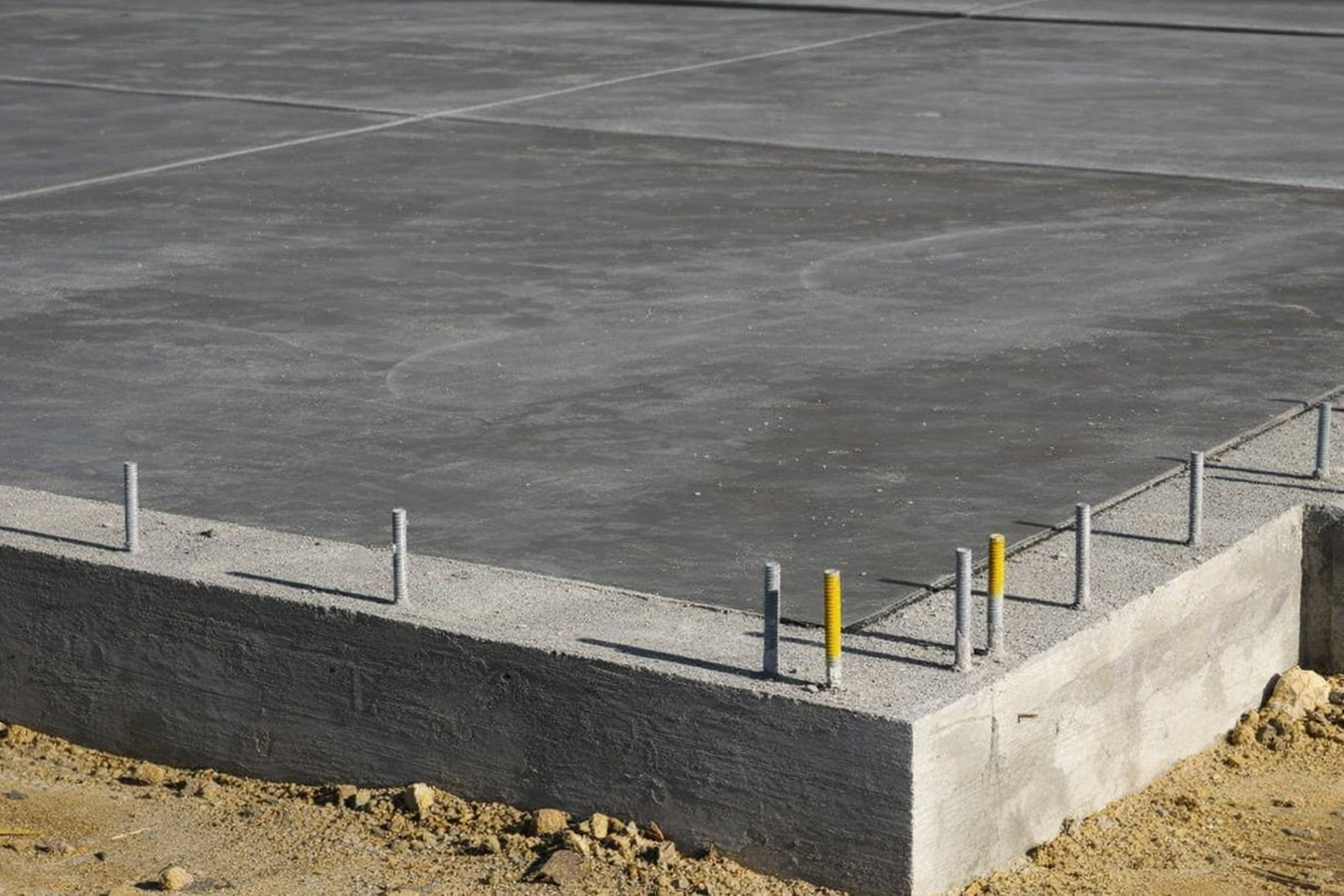
West Springfield homes sit on demanding clay soil. We build slab foundations that stay level through every season - proper base prep, full permitting, and no shortcuts.
Slab foundation building in West Springfield, VA means pouring a reinforced concrete slab directly on prepared ground - no basement or crawl space below. Most residential slab projects take one to three weeks from site prep through the pour and initial cure period.
If you are planning a home addition, a new detached garage, or a ground-floor structure, a properly built slab is the starting point everything else depends on. In West Springfield, the Piedmont clay soil that runs throughout Fairfax County makes base preparation more critical than in areas with sandy or loamy ground - the clay expands and contracts with every wet and dry cycle, putting steady pressure on concrete from below. Choosing a contractor who understands that is the most important decision you will make on this project. Homeowners often pair slab work with foundation installation when building a new structure on their property.
If you are planning to add a room, sunroom, or garage and the current concrete floor does not extend that far, you need a new slab poured to support the new space. This is one of the most common reasons West Springfield homeowners call a concrete contractor - the neighborhood's aging housing stock means many homes are being expanded rather than replaced.
If cracks in your garage floor or interior slab have widened over the past year, or one side of a crack sits higher than the other, the slab may be shifting because of soil movement beneath it. In West Springfield's clay-heavy ground, this kind of movement is common and tends to worsen without intervention. A crack you can slip a quarter into, or any crack with vertical displacement, is worth having assessed.
Standing water collecting against your home's foundation after a heavy rain is a sign that drainage around your slab is not working as it should. Left unaddressed, water intrusion can erode the base beneath the slab and accelerate cracking. This is particularly relevant in lower-lying parts of West Springfield near drainage corridors.
When the top layer of concrete is peeling, pitting, or crumbling, the slab may have reached the end of its useful life. In older West Springfield homes built in the 1960s and 1970s, garage slabs are often 50 or more years old and may have been poured without the reinforcement standards used today. At a certain point, patching stops making sense and replacement is the better investment.
Our slab foundation work covers the full scope from initial site preparation through the finished pour. Every project starts with excavation and grading, proper compaction of the subbase, a gravel drainage layer, a polyethylene moisture barrier, and steel reinforcement placed at the correct height - not lying on the dirt. We then pour and finish the concrete and coordinate the required Fairfax County inspections at each stage. When the project is a new detached structure, we often work alongside our foundation installation service to handle everything from footings to finished slab.
For homeowners adding on or improving an existing structure, we also offer concrete footings to tie a new slab into the existing structure correctly. Whether you need a garage floor replacement, a room addition slab, or a new detached building slab, we assess your specific site conditions and soil before quoting - because a phone estimate for foundation work is rarely accurate in West Springfield's varied terrain.
Best for homeowners expanding an existing home where the current slab does not extend into the new room or garage footprint.
Best for owners building a new detached garage, workshop, or accessory structure that requires a permitted foundation before framing begins.
Best for homeowners whose existing garage slab has deteriorated past the point of patching and needs a full replacement pour.
Best for property owners adding a permitted backyard ADU or in-law suite that requires a new concrete slab foundation under Fairfax County guidelines.
West Springfield sits on Piedmont clay - one of the most demanding soil types for concrete in Northern Virginia. Clay expands when it absorbs water and shrinks when it dries, and that seasonal movement is relentless. It puts pressure on slabs from below in ways that sandy or loamy ground simply does not. Contractors who do not work regularly in Fairfax County often underestimate how much this affects base preparation requirements. A slab that would hold up fine in a sandier county can start cracking here within a few years if the compaction depth and drainage layers are not calibrated to local conditions. We also factor in West Springfield's mature tree canopy - large established trees near slab areas can push roots under concrete over time, and we assess that risk at the site visit.
Fairfax County's permit and inspection process is also more active than in some neighboring jurisdictions - inspections happen at key stages before the pour and again after, which is actually good news for you as the homeowner. We work in this county regularly and know how to move projects through the review process without the delays that come from incomplete permit applications. Homeowners in Lorton, VA and Burke, VA face the same clay soil and county permit requirements, and we bring that same local experience to every slab project across the area. For a look at how permits work in Fairfax County, the Fairfax County Department of Land Development Services is the authoritative source.
We schedule a site visit before giving you any number - not just a square footage estimate over the phone. We look at the soil, access for concrete trucks, proximity to trees, and drainage. You will have a written estimate within a day or two of that visit.
We submit the Fairfax County permit application on your behalf - you do not need to visit any county office. Permit review typically takes one to three weeks. Once approved, we confirm your start date and you will know exactly what to expect before any equipment arrives.
The crew excavates, grades, and compacts the subbase, then lays the gravel drainage layer, moisture barrier, and steel reinforcement. This prep phase typically takes one to two days and is the most important part of the entire project - what goes under the slab determines how long it lasts.
Concrete trucks arrive, and the pour is typically completed in one day. The slab is firm enough for light foot traffic within 24 to 48 hours. We coordinate the county's final inspection and give you the permit closeout documentation - keep that with your home records.
We visit your property, assess the soil, pull the Fairfax County permit, and give you a written estimate - no pressure, no commitment required.
(571) 559-8187We calibrate compaction depth, gravel thickness, and moisture barrier spec to the specific soil conditions of each site - not a one-size approach applied everywhere. That matters in West Springfield, where the clay soil puts more stress on slabs than sandy ground would. A correctly prepared base is the difference between a slab that stays level for 30 years and one that starts cracking within five.
We handle the full permit process with Fairfax County's Department of Land Development Services on every foundation project - no exceptions. The county inspections that come with a permit are your protection: an independent inspector verifies the base prep before the concrete goes in and covers everything up. You also get the documentation you need when you sell the home.
We walk your site before we quote, so we account for access challenges, tree proximity, drainage needs, and soil conditions upfront. The written estimate you get is the number you can plan around. Contractors who estimate from square footage over the phone regularly add costs once work starts in West Springfield's varied terrain.
Rushing the curing phase is one of the most common ways foundations end up weaker than they should be. We follow a schedule that gives the concrete the time it needs to reach sufficient strength before any load is placed on it. According to the American Concrete Institute, proper curing significantly affects the long-term performance of a slab.
A slab foundation is one of the most permanent things on your property. We treat it that way from the first site visit through the final inspection, so you build on it once and do not think about it again.
Full foundation installation for new homes and structures, from excavation through waterproofing and county inspections.
Learn MoreConcrete footings that connect new additions and structures to stable ground and tie correctly into existing foundations.
Learn MoreSpring and fall booking windows fill quickly in Fairfax County - reach out now to lock in your start date before the season closes.